
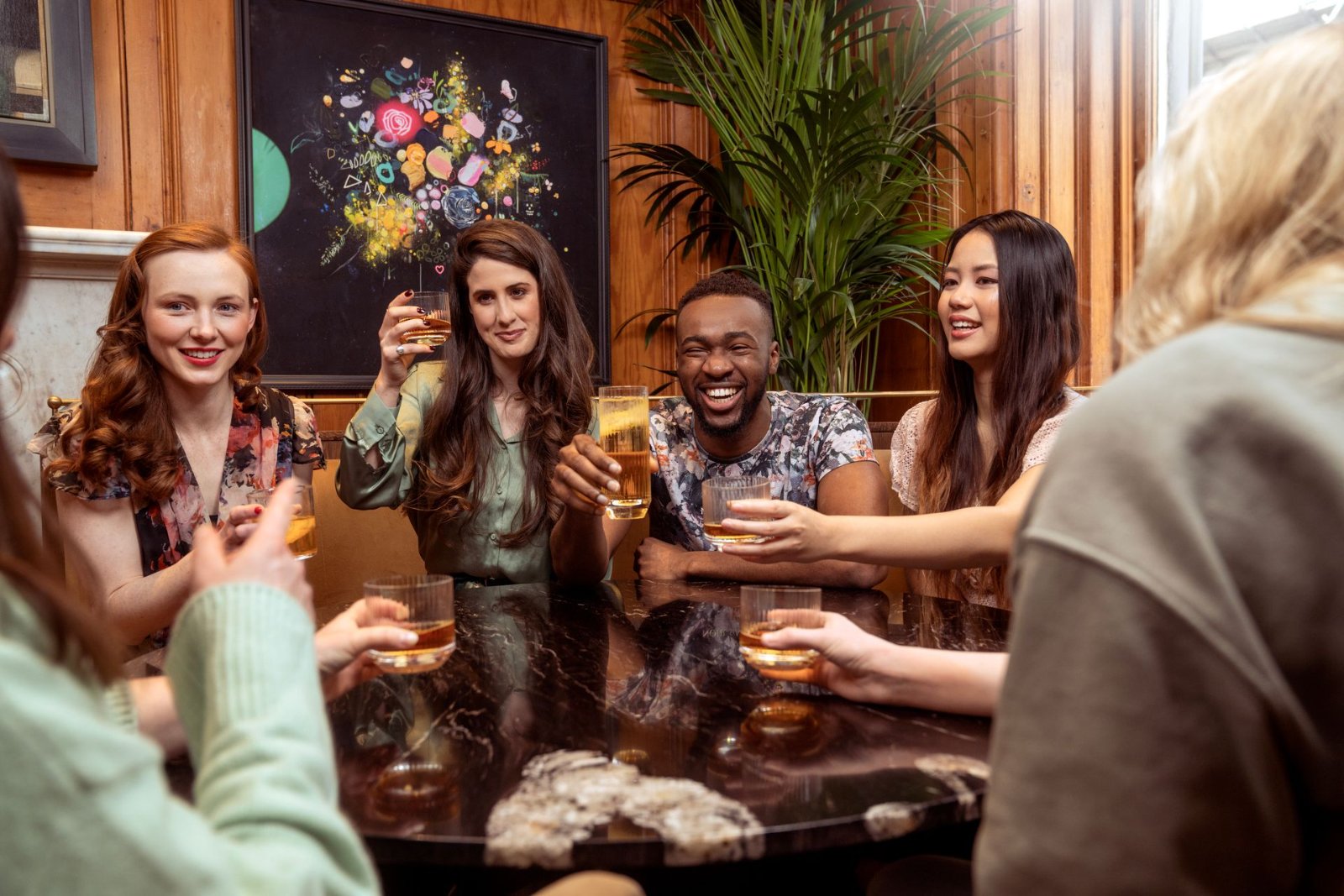
Bar crawls have a surprisingly rich tradition in cities like San Francisco, CA, where the vibrant neighborhood culture, walkable streets, and diverse nightlife scene create the perfect backdrop for an evening of social exploration. From the buzzing bars of the Mission District to the lively spots in the Castro and the craft cocktail lounges of Hayes Valley, a well-planned bar crawl can genuinely be one of the most memorable social experiences you’ll ever have.
But here’s the thing — most people don’t plan their bar crawls well. And when the planning goes sideways, so do the benefits. Yes, we said benefits. Because a thoughtfully organized bar crawl isn’t just a night of drinking; it’s a cardiovascular workout disguised as a social event, a masterclass in community building, and a genuine opportunity to deepen friendships and discover your city in a whole new way.
The problem? Too many groups stumble into avoidable mistakes that turn what could be an epic evening into a logistical nightmare, a physically exhausting slog, or worse — a social disaster that leaves everyone feeling disconnected rather than closer. In this article, we’re breaking down the most critical bar crawl planning mistakes people make, why they matter more than you’d think, and how to avoid them so you can actually enjoy the social and cardiovascular benefits you were hoping for.
Whether you’re organizing a birthday crawl through North Beach, a holiday pub crawl in the Financial District, or just a casual Friday night adventure with friends, this guide is for you. And if you’re looking for a professionally organized experience that handles all the hard work, services like Barcrawlerz are worth checking out — but more on that later.
Understanding Why Bar Crawls Have Real Social and Physical Benefits
Before we dive into the mistakes, it’s worth taking a moment to understand why bar crawls — when done right — actually deliver meaningful benefits. This isn’t just rationalization; there’s genuine value here.
The Social Science Behind Group Nightlife Experiences
Research in social psychology consistently shows that shared novel experiences accelerate bonding. When a group of people navigates something together — whether that’s a new neighborhood, a series of unfamiliar venues, or a themed adventure — they create shared memories that strengthen relationships faster than routine social interactions.
A bar crawl, by design, provides exactly this kind of shared novelty. Each new venue is a fresh environment, a new set of stimuli, a different atmosphere. The group has to make decisions together, navigate together, and adapt together. These micro-challenges build social cohesion in ways that sitting in the same bar all night simply cannot replicate.
The Cardiovascular Angle Most People Overlook
Here’s something that surprises a lot of people: a well-planned bar crawl through a walkable city like San Francisco can involve anywhere from two to five miles of walking over the course of an evening. That’s meaningful physical activity, especially when you factor in the hills that San Francisco is famous for.
Walking between venues keeps your heart rate elevated, burns calories, and counteracts some of the sedentary effects of sitting at a bar. Studies suggest that moderate walking — even in social, recreational contexts — contributes to cardiovascular health when done consistently. The key phrase there is “well-planned.” A poorly planned crawl can actually negate these benefits by relying on rideshares, cramming venues too close together, or choosing routes that don’t encourage walking.
“The best bar crawl is one where you barely notice you’re exercising because you’re too busy having a great time. That’s the sweet spot every organizer should aim for.”
Critical Mistake #1: Choosing Too Many Venues Without Considering Distance
This is probably the most common mistake, and it’s a doozy. Enthusiastic planners often make a long list of bars they want to visit and then try to cram them all into a single night. The result? Either the group spends the entire evening in rideshares (eliminating the cardiovascular benefit), or they rush through each venue so quickly that no real social bonding happens.
The Sweet Spot for Venue Count
For a standard three-to-four-hour bar crawl, four to six venues is generally the ideal range. This gives the group enough time at each location to actually settle in, order drinks, have conversations, and absorb the atmosphere. In San Francisco specifically, neighborhoods like the Mission, SoMa, or the Tenderloin have enough bars within walking distance of each other to support this kind of itinerary without requiring a single Uber ride.
How to Map Your Route Intelligently
Use a mapping tool to calculate the actual walking distance between each venue. In hilly San Francisco, this matters even more than in flat cities. A half-mile walk that looks manageable on a map might involve a significant climb up a steep hill — which is actually great for cardiovascular health but can be demoralizing if the group isn’t prepared for it.
Aim for walking segments of roughly five to fifteen minutes between venues. This keeps the group moving, provides natural conversation time during the walks, and maintains the energy of the evening without exhausting anyone. Barcrawlerz, for example, designs their San Francisco crawl routes with exactly this kind of walking-time balance in mind, which is one reason their events tend to feel so seamlessly paced.
Critical Mistake #2: Failing to Account for Group Size and Social Dynamics
Group size is one of the most underappreciated variables in bar crawl planning. Too small a group and the social energy can feel flat. Too large a group and you’ll spend the entire evening trying to herd people, losing half the group at every venue, and waiting forever to get drinks at the bar.
The Optimal Group Size for Maximum Social Benefit
Social research suggests that the ideal group size for high-quality social interaction is somewhere between eight and fifteen people. Below eight, the group can feel too intimate for the kind of energetic, dynamic socializing that a bar crawl is meant to facilitate. Above fifteen, the group starts to fragment into sub-groups, and the collective experience becomes harder to maintain.
If you’re planning a larger event — say, a company party or a large birthday celebration — consider breaking the group into smaller pods of ten to twelve people, each with their own designated leader who keeps things moving. This preserves the social cohesion of smaller groups while still allowing for a larger overall event.
Mixing Friend Groups: A Double-Edged Sword
One of the most exciting aspects of a bar crawl is the opportunity to introduce different friend groups to each other. But this requires intentional facilitation. If you simply throw two or more groups together and assume they’ll naturally mingle, you’ll often end up with social clusters that never actually interact.
Plan for mixing activities at each venue — simple things like group trivia questions, a shared toast with a story behind it, or a “two truths and a lie” game during the walk between bars. These low-key social facilitation tools can dramatically accelerate cross-group bonding and turn a night of parallel socializing into genuine community building.
Critical Mistake #3: Ignoring the Importance of Pacing and Timing
Timing is everything in bar crawl planning, and yet most people treat it as an afterthought. They set a start time, maybe a rough end time, and then just wing it. This almost always leads to one of two problems: the group rushes through venues and arrives at the final destination too early with too much night left and too little energy, or the group lingers too long at early stops and never makes it to the best venues on the list.
Building a Realistic Timeline
Here’s a simple framework for building a realistic bar crawl timeline. Allocate thirty to forty-five minutes per venue, including the time it takes to get everyone settled and served. Add ten to fifteen minutes of walking time between venues. Build in a buffer of about fifteen minutes every two venues for bathroom breaks, stragglers, and spontaneous moments.
In San Francisco, where bars often have last call at 1:30 AM, working backward from that endpoint is a smart strategy. If you want to end at a particular venue in the Castro or SoMa, calculate when you need to leave your starting point to arrive there at peak energy — usually around 11 PM to midnight.
The Cardiovascular Timing Factor
From a physical health perspective, pacing matters too. Starting the crawl with the longest walking segments when everyone is fresh and energetic, and shortening the walks toward the end of the evening, is a smart physiological strategy. It maximizes the cardiovascular benefit early in the night when your body is most capable of sustained activity, and it reduces the risk of anyone getting too tired or too intoxicated to walk safely later on.
“Pacing a bar crawl is like pacing a race — start too fast and you burn out before the finish line. Start too slow and you never build the momentum that makes the night truly memorable.”
Critical Mistake #4: Choosing Venues Without Considering Atmosphere and Flow
Not all bars are created equal, and the sequence in which you visit them matters enormously. A common mistake is choosing venues based purely on personal favorites or Yelp ratings without thinking about how they fit together as a narrative arc for the evening.
Building an Atmospheric Progression
The best bar crawls have a sense of progression — a beginning, a middle, and a climax. Think of it like a story. You want to start somewhere relatively low-key and accessible, where the group can get comfortable together. Then you move into more energetic, engaging venues as the night builds. You save your favorite or most exciting spot for the peak of the evening, usually around the third or fourth venue.
In San Francisco’s diverse bar landscape, this kind of progression is wonderfully achievable. You might start with a relaxed craft beer bar in the Mission, move to a lively cocktail lounge in SoMa, hit a vibrant neighborhood bar in the Castro, and finish at a dance bar or late-night venue that keeps the energy high until closing time.
Avoiding Atmosphere Whiplash
Atmosphere whiplash is what happens when you go from a loud, chaotic dive bar directly into a quiet, intimate wine bar. The social momentum built at the first venue evaporates in the second, and the group has to recalibrate entirely. This is jarring and exhausting, and it disrupts the social bonding that the crawl is meant to facilitate.
Try to ensure that each transition between venues feels like a natural step rather than a jarring contrast. Gradual increases in energy and volume generally work better than dramatic swings in either direction.
Critical Mistake #5: Neglecting Hydration and Nutrition Planning
This one seems obvious, but it’s consistently overlooked. The cardiovascular benefits of a bar crawl are completely undermined if participants are dehydrated, underfueled, or physically unwell by the end of the evening. And yet most bar crawl planners never think about food or water.
The Hydration Strategy That Actually Works
Encourage every participant to drink a full glass of water before the crawl begins. Plan for at least one venue stop that serves food — ideally around the midpoint of the evening. In San Francisco, many bars have food menus or are located near late-night food options. The Mission District, for example, is famous for its taquerias that stay open late, making it an ideal neighborhood for a mid-crawl food break.
Consider making water consumption a group norm rather than an individual responsibility. When the group leader orders a round, they order water alongside it. This normalizes hydration and makes it a social act rather than a personal admission of needing to slow down.
Why Nutrition Matters for the Cardiovascular Component
Walking two to four miles while consuming alcohol on an empty stomach is genuinely taxing on the cardiovascular system. Food slows alcohol absorption, maintains blood sugar levels, and provides the energy your body needs to sustain the physical activity of the crawl. Skipping food doesn’t make the crawl more hardcore — it just makes it more dangerous and less enjoyable.
Critical Mistake #6: Underestimating the Importance of a Designated Organizer
Every bar crawl needs a leader. Not a dictator, not someone who micromanages every moment, but a designated person who is responsible for keeping the group together, maintaining the timeline, and making executive decisions when the group gets stuck in analysis paralysis.
What a Good Bar Crawl Organizer Actually Does
A good organizer does their homework before the event — researching venues, mapping the route, making reservations where necessary, and communicating the plan clearly to participants in advance. On the night of the event, they keep an eye on the clock, gently move the group when it’s time to leave, and handle any logistical hiccups (a venue that’s unexpectedly closed, a group member who needs to take a break, a route that needs to be adjusted due to weather) without causing drama.
This is one area where professional bar crawl services genuinely shine. Companies like Barcrawlerz take on the organizer role so that you can simply show up and enjoy the evening. Their experienced guides know the San Francisco bar scene intimately, have established relationships with venues, and know how to keep a group energized and moving throughout the night. If you’ve ever tried to organize a bar crawl for fifteen people and ended up spending the whole night stressed out instead of having fun, you’ll understand the appeal immediately.
Distributing Responsibility Effectively
If you’re self-organizing, consider distributing specific responsibilities among trusted members of the group. One person handles the route and timing, another handles the social facilitation activities, another is responsible for communicating with venues. This distributes the cognitive load and prevents organizer burnout, which is a real phenomenon that ruins many otherwise well-planned events.
Critical Mistake #7: Not Communicating Expectations Clearly Beforehand
One of the most preventable sources of bar crawl friction is mismatched expectations. When some participants think the crawl is a casual, low-key evening and others are expecting a high-energy party night, the group dynamic suffers. When some people don’t know the route and others do, the group fragments. When the dress code isn’t communicated, some people show up in jeans and others in cocktail attire, creating social awkwardness right from the start.
What to Communicate Before the Crawl
At minimum, send participants the following information before the event: the start time and location, the approximate end time and final venue, the general neighborhood and route, any dress code or theme, the expected cost per person for the evening, and any physical considerations (yes, we’re walking — wear comfortable shoes).
In San Francisco, that last point is especially important. The city’s hills are beautiful but unforgiving on feet that aren’t properly supported. More than one bar crawl has been derailed by a participant in stilettos who couldn’t make it up the slope from the Mission to the Castro.
Setting the Social Tone
Beyond logistics, communicate the social intention of the crawl. Is this primarily about introducing two friend groups? Celebrating a milestone? Exploring new neighborhoods? Knowing the purpose of the event helps participants show up in the right mindset and contributes more meaningfully to the social goals of the evening.
Critical Mistake #8: Relying Too Heavily on Rideshares Between Venues
We touched on this earlier, but it deserves its own section because it’s such a significant mistake. The moment your bar crawl becomes primarily a rideshare crawl, you’ve lost the cardiovascular benefit entirely, and you’ve also lost much of the social benefit. Walking between venues is where some of the best conversations happen. It’s where the group breathes fresh air, sobers up slightly, and transitions mentally from one atmosphere to the next.
When Rideshares Are Acceptable
There are legitimate reasons to use rideshares during a bar crawl — a venue that’s geographically isolated from the rest of the route, weather conditions that make walking unsafe or miserable, or a group member with mobility limitations. In these cases, rideshares are a reasonable accommodation.
But they should be the exception, not the default. Plan your route specifically to minimize rideshare dependency. In San Francisco, neighborhoods like the Mission, the Castro, Hayes Valley, and SoMa are all walkable to each other with some planning. Use that walkability to your advantage.
Critical Mistake #9: Ignoring Safety Planning
A responsible bar crawl is a safe bar crawl. This isn’t about being a buzzkill — it’s about ensuring that everyone gets home safely so they can do it all again next time. Ignoring safety planning is not only irresponsible; it actively undermines the social benefits of the event by creating anxiety, conflict, and potential harm.
Basic Safety Protocols Every Organizer Should Implement
Establish a buddy system so that no one is ever walking alone between venues. Have a clear plan for how participants will get home at the end of the night — designate a sober ride coordinator or ensure everyone has the Lyft or Uber app ready. Know the locations of the nearest urgent care facilities along your route. Have a group chat active throughout the evening so that anyone who gets separated can quickly reconnect with the group.
In San Francisco specifically, be aware of neighborhood-specific safety considerations. Some areas are safer to walk through at night than others, and your route should reflect this awareness. Professional services like Barcrawlerz build safety planning into their events as a matter of course, which is another significant advantage of using an organized service for larger or higher-stakes events.
How to Put It All Together: A Framework for the Perfect San Francisco Bar Crawl
Let’s bring all of this together into a practical framework. If you’re planning a bar crawl in San Francisco and you want to maximize both the social and cardiovascular benefits, here’s what a well-structured evening looks like.
Before the Event
Choose four to six venues across a walkable route. Research each venue and confirm their hours, any reservation requirements, and their atmosphere. Map the walking route and calculate the total distance — aim for two to four miles total. Send a detailed pre-event communication to all participants. Designate an organizer and distribute specific responsibilities. Plan for a mid-crawl food stop.
During the Event
Start at the designated time and location — don’t wait for stragglers beyond fifteen minutes. Spend thirty to forty-five minutes at each venue. Use the walking segments for social facilitation — group conversations, games, and introductions. Keep an eye on the timeline and gently enforce transitions. Encourage water consumption at each venue. Maintain the buddy system throughout.
After the Event
Ensure everyone has a safe way home. Follow up with the group the next day — a simple message in the group chat acknowledging a great night reinforces the social bonds that were built and sets the stage for the next event.
“The best bar crawls don’t just happen — they’re designed. Every great night out is the result of someone caring enough to think it through in advance.”
Why Professional Bar Crawl Services Like Barcrawlerz Are Worth Considering
If reading through this list of potential mistakes feels overwhelming, that’s completely understandable. Bar crawl planning is genuinely complex when you do it right, and there’s a reason professional services exist to handle it.
Barcrawlerz specializes in organized bar crawl experiences in San Francisco and other cities, taking on all of the planning, logistics, and facilitation work so that participants can focus entirely on having a great time. Their routes are designed with walking distance, atmospheric progression, and timing all carefully considered. Their guides are experienced social facilitators who know how to keep a group energized and together throughout the evening. And their relationships with venues often mean special perks — reserved space, drink specials, and priority entry — that individual planners simply can’t replicate.
For large groups, corporate events, birthday celebrations, or anyone who simply doesn’t want to spend hours planning logistics, a service like Barcrawlerz offers a compelling value proposition. You get all the benefits of a well-planned bar crawl without any of the organizational stress.
Final Thoughts: Bar Crawls Are Worth Getting Right
A bar crawl is more than just a night of drinking. When planned thoughtfully, it’s a social experience that builds genuine connections, a physical activity that contributes to cardiovascular health, and an adventure that helps you discover your city in a new way. San Francisco, with its walkable neighborhoods, diverse bar scene, and vibrant community culture, is one of the best cities in the world for this kind of experience.
But the benefits only materialize when the planning is done right. The mistakes outlined in this article — too many venues, poor pacing, inadequate hydration, over-reliance on rideshares, unclear expectations, and lack of safety planning — are all preventable with a little forethought and intentionality.
Whether you choose to plan your next bar crawl yourself using the frameworks in this guide, or you opt for the expertise and convenience of a service like Barcrawlerz, the most important thing is to approach the evening with intention. Know what you want to get out of it, plan accordingly, and then show up ready to enjoy every step of the journey — literally.
San Francisco’s bars are waiting. Your friends are ready. And now you have everything you need to make your next bar crawl truly worth remembering.