
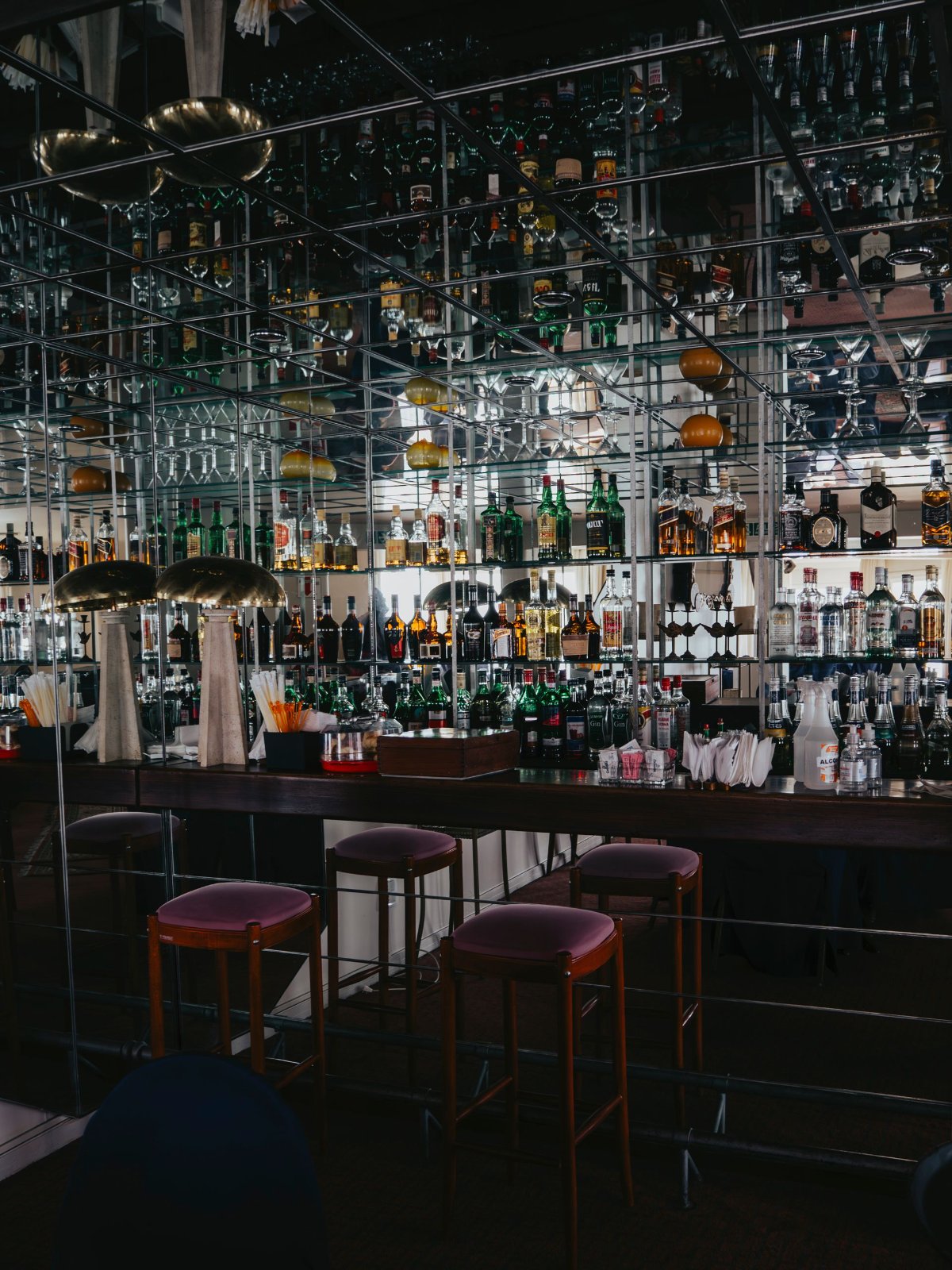
When most people think about bar crawls, they picture a fun night out with friends, hopping from venue to venue across a vibrant city. But there’s a surprisingly practical side to this popular social activity that often goes unnoticed. A well-executed bar crawl — especially in a city as dynamic and diverse as San Francisco, CA — can actually serve as a real-world training ground for decision-making skills and financial literacy. From managing a tight budget across multiple stops to making strategic choices about where to spend your time and money, bar crawls offer a unique blend of entertainment and life skills development.
Whether you’re a young professional navigating the bustling neighborhoods of the Mission District or a seasoned socialite exploring the cocktail bars of North Beach, the principles remain the same. Bar crawls teach you to think on your feet, adapt to changing circumstances, and manage your resources wisely — all while having a fantastic time.
The Unexpected Connection Between Bar Crawls and Financial Literacy
Financial literacy is defined as the ability to understand and effectively use various financial skills, including personal financial management, budgeting, and investing. While it might seem like a stretch to connect this concept to a night out on the town, the parallels are genuinely compelling. Every decision you make during a bar crawl — from choosing which drinks to order to deciding how long to stay at each venue — mirrors the kind of financial thinking that experts encourage in everyday life.
San Francisco is one of the most expensive cities in the United States, making it the perfect backdrop for this kind of real-world financial exercise. With cocktail prices averaging anywhere from $14 to $22 at many popular establishments, managing your spending across five or six stops requires genuine planning and discipline.
“A bar crawl isn’t just a party — it’s a live simulation of resource management, strategic planning, and real-time decision-making under social pressure.”
Setting a Budget Before the Night Begins
One of the most fundamental financial skills is the ability to set a realistic budget before committing to any activity. Before embarking on a bar crawl in San Francisco, savvy participants will calculate how much they’re willing to spend for the entire evening. This includes drinks, cover charges, transportation (think Uber or Muni), and even late-night food. Setting this number in advance forces you to engage with your finances proactively rather than reactively — a cornerstone habit of financially literate individuals.
Groups that participate in organized bar crawls through services like Barcrawlerz often find that pre-planned events make budgeting significantly easier. With a set itinerary, special drink deals, and pre-negotiated entry fees at participating venues, participants can forecast their spending with much greater accuracy. This kind of structured experience is particularly valuable for those who are still developing their budgeting instincts.
Tracking Spending in Real Time
Once the night begins, the real financial literacy challenge kicks in. Tracking how much you’ve spent at each stop — and comparing it to your overall budget — requires a level of mental arithmetic and awareness that many people don’t practice in their daily lives. It’s easy to lose track after a couple of drinks, which is exactly why developing this habit during a social setting can be so powerful. The stakes are low, but the lessons are real.
Apps, cash envelopes, or even a simple note on your phone can serve as your financial tracker for the evening. Many experienced bar crawlers in San Francisco recommend withdrawing a set amount of cash before heading out, as this creates a tangible spending limit that’s much harder to exceed than a tap of a credit card.
Decision-Making Under Pressure: The Strategic Side of Bar Crawls
Beyond budgeting, bar crawls are a masterclass in decision-making. From the moment you step out the door, you’re faced with a rapid-fire series of choices that require you to weigh costs, benefits, social dynamics, and personal preferences — often in real time and under mild social pressure.
Choosing Where to Go: Opportunity Cost in Action
Economists talk about “opportunity cost” — the idea that choosing one option means forgoing the benefits of another. On a bar crawl through San Francisco’s eclectic neighborhoods, this concept becomes very real. Do you spend more time at a cozy speakeasy in the Tenderloin, or do you push on to catch the live jazz set starting in 20 minutes at a bar in Hayes Valley? Every decision to stay or move involves weighing what you gain against what you give up.
This kind of thinking, practiced repeatedly throughout an evening, builds mental muscle that translates directly into better decision-making in professional and financial contexts. The more you practice evaluating trade-offs under mild pressure, the more naturally it comes when the stakes are higher.
Reading the Room: Social Intelligence and Strategic Adaptation
Great decision-making isn’t just about numbers — it’s also about reading situations accurately and adapting your strategy accordingly. A bar crawl demands exactly this kind of social intelligence. Is the bar you’ve arrived at too crowded to enjoy? Is the vibe not matching what your group needs tonight? Recognizing these signals and making the call to move on — even when you’ve already paid a cover — is a form of strategic thinking known as “sunk cost management.” Financially literate people understand that money already spent shouldn’t drive future decisions; only future value should.
San Francisco’s bar scene is wonderfully unpredictable. A venue in SoMa might be dead at 9 PM but electric by 11 PM. Learning to read these rhythms and time your visits strategically is a skill that sharpens with practice — and it mirrors the kind of market timing and situational awareness that investors and business professionals rely on every day.
Group Dynamics and Collaborative Financial Decision-Making
Bar crawls are rarely solo endeavors. More often, they’re group activities that require collective financial decision-making — another incredibly valuable life skill. Splitting costs, negotiating group preferences, and reaching consensus on where to go next all require communication, compromise, and financial transparency.
Splitting Costs Fairly and Avoiding Common Pitfalls
Anyone who has ever tried to split a bar tab among a group of eight people knows that it can quickly become a logistical and interpersonal challenge. Deciding whether to split evenly, pay individually, or designate a group treasurer for the night involves real financial negotiation skills. These conversations — though sometimes awkward — are excellent practice for the kinds of financial discussions that matter in adult life, from splitting rent with roommates to negotiating shared project budgets at work.
Organized bar crawl experiences, like those offered by Barcrawlerz in San Francisco, often streamline this process by offering group packages and inclusive pricing. This not only reduces friction but also models the kind of transparent, pre-agreed financial arrangements that work best in any collaborative setting.
Leadership, Delegation, and Financial Roles Within a Group
Within any bar crawl group, informal roles tend to emerge naturally. Someone becomes the navigator, another person tracks the budget, and someone else manages the group’s social energy. These roles mirror professional team dynamics and require a degree of trust and accountability. The person managing the group’s shared fund for the night is, in essence, acting as a treasurer — responsible for tracking inflows, outflows, and ensuring the group can sustain the evening’s activities within the agreed budget.
“Managing a shared bar crawl budget isn’t so different from managing a small team’s expense account — both require transparency, accountability, and smart allocation of limited resources.”
San Francisco’s Bar Scene: A World-Class Classroom
San Francisco is uniquely positioned as a setting for this kind of experiential learning. The city’s neighborhoods each offer distinct pricing environments, atmospheres, and social dynamics. Exploring the difference between a craft cocktail bar in the Castro and a dive bar in the Richmond District isn’t just about taste preferences — it’s a lesson in value perception, pricing psychology, and the economics of hospitality.
Understanding Value Beyond Price
One of the most nuanced financial skills is the ability to assess value rather than just price. A $22 cocktail at a beautifully designed bar in the Financial District might offer an experience — ambiance, service, craftsmanship — that justifies the cost for certain occasions. A $7 beer at a neighborhood bar in the Sunset might offer something equally valuable: community, authenticity, and unpretentious fun. Learning to make these value judgments consciously, rather than defaulting to either the cheapest or the most expensive option, is a sign of genuine financial maturity.
Navigating Promotions, Happy Hours, and Special Deals
San Francisco’s bar scene is rich with happy hour deals, promotional nights, and special events. Identifying and taking advantage of these opportunities — without letting them drive poor overall decisions — is a sophisticated financial skill. It’s the bar crawl equivalent of coupon strategy or promotional investing: knowing when a deal genuinely adds value to your plan versus when it’s simply a distraction from your goals.
Barcrawlerz has built its reputation in San Francisco by curating experiences that maximize value for participants. By partnering with venues that offer exclusive deals and creating itineraries that flow logically through the city, they help participants get the most out of their evening without overspending or overextending. It’s a model that reflects smart financial planning in action.
Long-Term Benefits: Skills That Outlast the Night
The decision-making and financial literacy skills developed during a well-organized bar crawl don’t disappear with the hangover. They become part of a growing toolkit for navigating complex, multi-variable situations in everyday life. The habit of setting a budget before an activity, tracking spending in real time, evaluating opportunity costs, managing group finances, and assessing value beyond price — these are habits that compound over time.
Building Confidence in Financial Conversations
One of the biggest barriers to financial literacy is discomfort around money conversations. Many people avoid discussing finances openly, even when it would be beneficial. Bar crawls, by necessity, require you to have these conversations in a low-stakes, socially comfortable environment. Over time, this normalizes financial transparency and makes it easier to have the same conversations in higher-stakes contexts — with a landlord, a business partner, or a financial advisor.
Developing a Habit of Intentional Spending
Intentional spending — the practice of making conscious, values-aligned financial choices rather than impulsive ones — is a hallmark of financially literate individuals. A bar crawl, when approached thoughtfully, is an exercise in exactly this kind of intentionality. Every purchase is a small decision that reflects your priorities, preferences, and financial boundaries. Practicing this mindset during a fun night out makes it easier to apply in more consequential financial situations.
How to Plan a Financially Smart Bar Crawl in San Francisco
Ready to put these principles into practice? Here are some actionable tips for planning a bar crawl in San Francisco that sharpens your financial literacy and decision-making skills while maximizing fun.
Step 1: Set Your Total Budget in Advance
Decide on a total spending limit before you leave the house. Factor in drinks, entry fees, transportation, and a small buffer for unexpected expenses. Write it down or set a reminder on your phone.
Step 2: Research Your Route and Venues
Use resources like Barcrawlerz to find curated routes through San Francisco’s best neighborhoods. Knowing what to expect at each venue — including typical price ranges and any special deals — helps you plan more accurately.
Step 3: Use Cash or a Dedicated Card
Consider using cash or a prepaid card loaded with your budget amount. This creates a hard stop that prevents overspending and makes tracking much simpler.
Step 4: Check In with Your Budget at Each Stop
Make it a habit to do a quick mental (or physical) tally at each venue. How much have you spent so far? How much do you have left? Are you on track? This real-time awareness is the foundation of good financial management.
Step 5: Reflect After the Night
The next day, take five minutes to review how the night went financially. Did you stick to your budget? Where did you overspend, and why? What would you do differently next time? This kind of post-event reflection is what transforms experience into genuine learning.
Conclusion: More Than Just a Night Out
Bar crawls in San Francisco are, at their best, more than just a social activity. They’re dynamic, real-world environments where financial literacy and decision-making skills are tested, practiced, and refined. From setting a budget and tracking spending to evaluating opportunity costs and navigating group dynamics, every aspect of a well-planned bar crawl offers a lesson in smart, intentional living.
Companies like Barcrawlerz are making it easier than ever to enjoy San Francisco’s incredible bar scene in a structured, value-conscious way — giving participants not just a great night out, but a genuinely enriching experience that pays dividends long after the night is over. So the next time someone asks you why you’re going on a bar crawl, you can tell them: you’re investing in your financial education. And you’ll have a great time doing it.